What Is the Difference Between HRC and CRC Steel?
When sourcing steel for construction, industrial equipment, automotive components, or roll-formed profiles, buyers often compare HRC and CRC steel. Both materials are widely used in steel processing, but they differ in manufacturing process, surface finish, dimensional accuracy, mechanical properties, and cost.
Understanding these differences is particularly important when selecting raw materials for Cold Rolled Section Steel. The wrong material specification can lead to forming difficulties, dimensional deviations, unnecessary processing costs, or a finished profile that does not meet application requirements.
This guide explains the practical differences between HRC and CRC steel, how to select suitable raw materials for cold-formed sections, and which technical details buyers should confirm before placing an order.
1. What Are HRC and CRC Steel?
What Is HRC Steel?
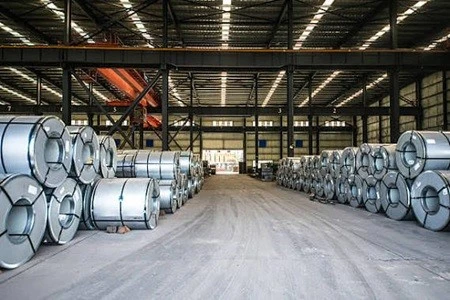
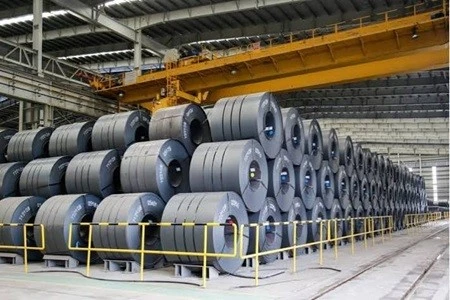
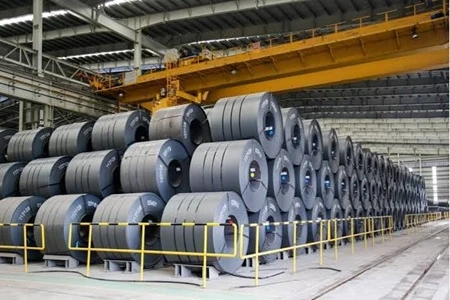
HRC stands for Hot Rolled Coil. It is produced by heating steel slabs and passing them through rolling mills at high temperatures to achieve the required thickness. After rolling, the steel is generally cooled and supplied in coil form.
Hot rolled coil is commonly used in structural components, welded pipes, machinery parts, and further steel processing. Depending on the grade and specification, it can also serve as the raw material for certain cold-formed steel profiles.
HRC is often considered when buyers prioritize material availability, structural performance, or cost efficiency. However, its surface condition and dimensional tolerances may be less precise than those of cold rolled coil.
What Is CRC Steel?
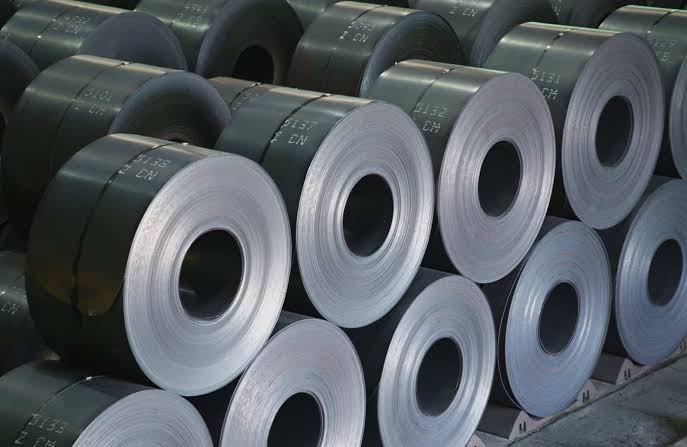
CRC stands for Cold Rolled Coil. It is typically manufactured by cold rolling hot rolled steel after the appropriate preparation, such as pickling. Subsequent processing, including annealing and skin-pass rolling where specified, helps achieve the required mechanical properties, surface condition, and dimensional accuracy.
CRC is commonly selected for products requiring a smoother surface, tighter thickness control, or more consistent forming performance. Applications include precision components, furniture parts, appliance panels, and various roll-formed sections.
For Cold Rolled Section Steel, CRC may be suitable when surface appearance and dimensional consistency are important. The correct choice still depends on the required profile geometry, material grade, thickness, and forming process.
2. What Are the Main Differences Between HRC and CRC Steel?
HRC and CRC differ mainly in processing route and the resulting material characteristics. The following table provides a practical comparison for steel buyers.
| Comparison Item | HRC – Hot Rolled Coil | CRC – Cold Rolled Coil |
|---|---|---|
| Manufacturing process | Rolled at high temperature | Cold rolled after suitable upstream processing |
| Typical surface | May have mill scale or a pickled finish, depending on supply condition | Generally smoother, with a more controlled surface finish |
| Thickness control | Depends on product specification and mill capability | Commonly tighter, subject to grade and specification |
| Dimensional consistency | Suitable for many general structural applications | Often preferred for applications requiring greater dimensional precision |
| Mechanical properties | Depend on steel grade and rolling condition | Depend on grade and processing, including annealing and temper rolling where applicable |
| Formability | Grade-dependent; suitable grades can be formed into many structural profiles | Suitable grades can offer good formability, but not every CRC grade is designed for severe bending |
| Corrosion resistance | Not inherently corrosion-resistant | Not inherently corrosion-resistant |
| Relative material cost | Often lower for comparable commodity applications, but not universally | Often higher due to additional processing |
| Common applications | Structural components, welded products, machinery, and further processing | Precision parts, appliance panels, furniture components, and roll-formed products |
Important: The table describes general tendencies, not guaranteed product properties. Actual performance must be assessed against the ordered steel grade, thickness, delivery condition, and applicable standard.
What Thickness Should Buyers Expect?
As a broad market reference, hot rolled coil is commonly available in thicknesses around 1.2–25 mm, while cold rolled coil is often available around 0.3–3.0 mm. These are indicative ranges, not universal limits. Availability varies by mill, grade, width, and regional supply conditions.
For Cold Rolled Section Steel, buyers should confirm the required finished thickness and its permitted tolerance before choosing the feedstock. The thickness of the incoming coil affects the final profile dimensions and may influence forming behavior, tooling requirements, and structural performance.
3. Which Material Is Better for Cold Rolled Section Steel?
There is no single answer for every application. The appropriate raw material depends on the profile design, loading conditions, required finish, manufacturing method, and applicable material specification.
Choose HRC When Structural Requirements and Cost Are the Priority
Suitable hot rolled steel grades may be considered for structural profiles, support components, frames, brackets, and other applications where the surface finish requirements are less demanding.
Before selecting HRC, buyers should confirm whether the material can achieve the required profile geometry and dimensional tolerances after forming. Edge condition, thickness variation, surface scale, and the need for additional cleaning or coating may also affect the total manufacturing cost.
Choose CRC When Surface Finish and Dimensional Control Matter
Cold rolled coil may be more appropriate for precision profiles, visible components, furniture structures, equipment enclosures, and other products where surface appearance or thickness consistency is important.
However, a smoother surface does not automatically mean better structural performance. Buyers should check yield strength, tensile strength, elongation, and formability requirements against the intended application.
Compare the Finished-Product Requirements, Not Just the Coil Price
When sourcing Cold Rolled Section Steel, comparing the purchase price per tonne is only the starting point. A lower-cost coil may require additional processing or generate more production scrap if it does not meet the forming requirements.
A more useful comparison considers material cost, processing requirements, expected yield, inspection criteria, coating requirements, and the consequences of dimensional deviations.
4. Which Steel Standards Should Buyers Check?
A material designation should identify more than whether the steel is hot rolled or cold rolled. Buyers should confirm the applicable standard, grade, dimensions, delivery condition, and required mechanical properties.
The following standards are useful starting points for checking material requirements:
| Standard | Coverage | When to Review It |
|---|---|---|
| ASTM A1011/A1011M | Hot-rolled carbon, structural, high-strength low-alloy, and other specified steel sheet and strip categories | When evaluating suitable hot rolled sheet or coil feedstock |
| ASTM A1008/A1008M | Cold-rolled carbon, structural, high-strength low-alloy, and other specified steel sheet categories | When evaluating cold rolled sheet or coil requirements |
| EN 10162 | Technical delivery conditions for cold-rolled steel sections, including dimensional and cross-sectional tolerances | When specifying cold-rolled formed sections covered by the standard |
The exact edition and scope matter. ASTM A1008/A1008M and ASTM A1011/A1011M cover specified steel sheet and strip products; they should not automatically be treated as complete specifications for every finished Cold Rolled Section Steel profile. Likewise, confirm that the applicable EN 10162 requirements match the product and contractual specification.
A standard reference alone is not enough. The purchase order should state the required grade, thickness, dimensional tolerances, mechanical properties, surface condition, and inspection or documentation requirements.
5. What Should Buyers Confirm Before Ordering Cold Rolled Section Steel?
To receive a suitable quotation and reduce misunderstandings, buyers should provide enough information for the supplier to assess the material and finished-profile requirements.
| Information Required | What to Specify | Why It Matters |
|---|---|---|
| Product type | C section, U section, Z section, hat section, or a custom profile | Establishes the required cross-sectional geometry |
| Dimensions | Web, flange, lip, overall dimensions, and drawing where available | Allows the supplier to evaluate the profile configuration |
| Material thickness | Nominal thickness and permitted tolerance | Affects dimensions, weight, and forming requirements |
| Steel grade | Required grade and material standard | Establishes the intended mechanical and chemical requirements |
| Material condition | Hot rolled, cold rolled, galvanized, or another specified condition | Helps determine suitability for the application |
| Surface requirements | Standard finish, coating, or other specified treatment | Prevents mismatches in appearance and corrosion protection |
| Mechanical requirements | Yield strength, tensile strength, elongation, or other applicable values | Supports performance and compliance checks |
| Order quantity | Required tonnage or piece quantity | Helps assess production planning and commercial terms |
| Delivery requirements | Destination, packaging, and requested delivery schedule | Supports a more complete quotation |
If the buyer has a technical drawing, material specification, or sample profile, sharing it at the quotation stage can make the review more accurate. Buyers should also clarify whether inspection reports, material test certificates, or other documentation are required.
6. How Can Raysteel Resource Help With Your Steel Sourcing?
Selecting between HRC and CRC should start with the finished product's requirements rather than a general assumption that one material is always better.
For buyers sourcing Cold Rolled Section Steel, the key questions are straightforward: What profile is required? Which steel grade and thickness are specified? What dimensional tolerances and surface conditions are acceptable? Which standards and documents must the material satisfy?
Raysteel Resource welcomes inquiries from buyers who can share their required profile dimensions, steel grade, thickness, order quantity, and destination market. These details provide a practical basis for reviewing the request and clarifying the applicable product requirements.
Contact Raysteel Resource with your drawings or technical specifications to discuss your Cold Rolled Section Steel requirements and request a quotation.