The domestic steel market has seen a phased rebound, with steel prices rising by 10-20 yuan in many regions, Tangshan billet rising by 10 yuan, and futures prices closing higher. Overall transaction volume has recovered, with feedback indicating a rapid improvement in shipments in some markets, with several hundred tons more delivered than yesterday. Steel mills have also seen a significant increase in orders, and even futures and spot companies have seen a noticeable increase in deliveries. The core driving forces mainly come from three aspects:
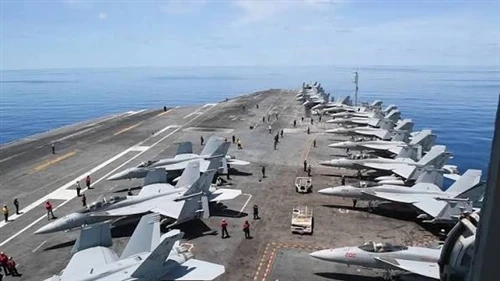
First, the escalation of international geopolitical tensions, with the US restarting its strikes against Iran, triggered a sharp rebound in international crude oil prices, leading to a recovery in the overall global commodity market sentiment, prompting short sellers to reduce their positions. Within the ferrous metals sector, rebar and hot-rolled coil, which had been in a prolonged downtrend, saw a technical rebound catalyzed by external conditions, completely reversing the previous weak and pessimistic market sentiment.
Secondly, a sudden news event occurred on the iron ore supply side: BHP Billiton's Port Hedland workers in Australia went on strike due to a deadlock in labor negotiations, directly affecting iron ore loading and shipping at the port. This fueled expectations of a short-term contraction in iron ore supply. However, the core market focus was previously on the July 14th deadline for the final labor negotiations. With the agreement finalized ahead of schedule, the strike risk has been eliminated, rendering the previous bullish logic ineffective and weakening the short-term upward momentum in the market. The key focus going forward will remain on steel mill maintenance and production cuts, as well as pig iron output.
Furthermore, even without the aforementioned external factors, steel prices have been declining for a long time, and a rebound is necessary. However, the catalysts have accelerated the rebound, but too quickly is not advisable. It is not advisable to excessively participate in trading based on capital and sentiment; more attention should be paid to changes in fundamentals.
The market downturn still needs time to recover. In the short term, the steel market will continue its slightly bullish oscillating trend, with the rebound having sustainability, but the upside potential is somewhat limited. Although the iron ore strike has caused disruption, coupled with factors such as the rebound in crude oil prices, the actual impact on steel prices is not significant. The most important factor is that the market's own rebound opportunity, coupled with external catalysts, makes it difficult for this kind of market to maintain its momentum.