


Can wear resistant steel plate be used in high - temperature environments?
As a supplier of wear resistant steel plates, I often receive inquiries from customers about the suitability of our products in various environments, especially high - temperature settings. This blog aims to explore whether wear resistant steel plates can be used in high - temperature environments, providing a comprehensive analysis based on scientific knowledge and practical experience.
Understanding Wear Resistant Steel Plates
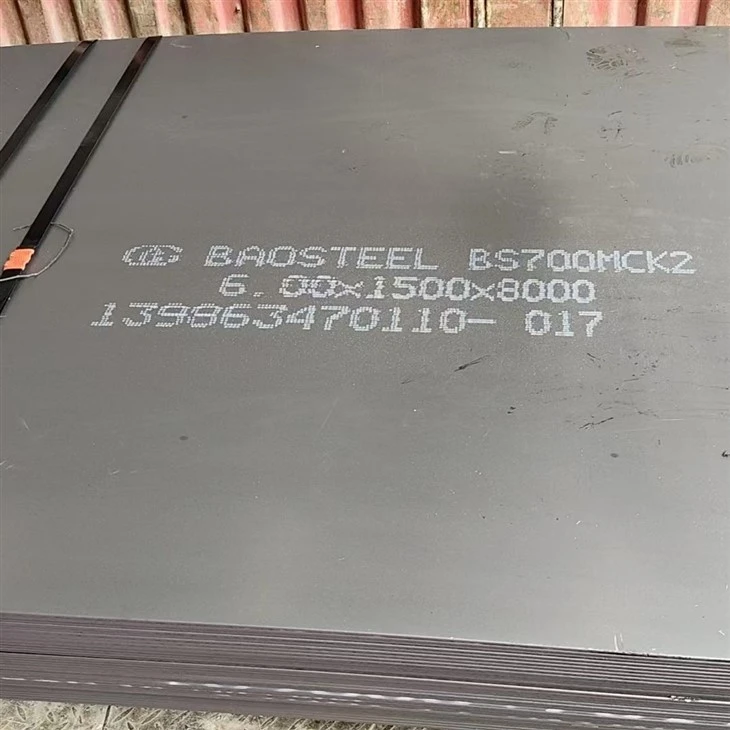
Wear resistant steel plates are designed to withstand abrasion, impact, and other forms of wear. They are commonly used in industries such as construction machinery, mining, and manufacturing. These plates are typically made of high - strength steel with specific alloying elements that enhance their wear - resistant properties.
There are different types of wear resistant steel plates available in the market. For example, High Strength Plates are known for their excellent strength and toughness, which make them suitable for heavy - duty applications. Abrasion Plate is specifically engineered to resist abrasion, making it ideal for use in environments where there is a lot of friction and wear. Another popular type is the Ar400 Plate, which offers a good balance of hardness and toughness.
Factors Affecting the Use of Wear Resistant Steel Plates in High - Temperature Environments
- Material Properties
- Hardness: High - temperature environments can cause the hardness of wear resistant steel plates to change. As the temperature rises, the steel may start to lose its hardness, which can reduce its wear - resistant capabilities. For example, some wear resistant steels have a certain temperature limit above which their hardness begins to decline significantly.
- Toughness: Toughness is also an important property. At high temperatures, the steel may become more brittle, increasing the risk of cracking and failure. This is because the microstructure of the steel changes at elevated temperatures, affecting its ability to absorb energy without fracturing.
- Oxidation and Corrosion
- In high - temperature environments, wear resistant steel plates are more susceptible to oxidation. Oxidation can form a layer of oxide on the surface of the steel, which can reduce its wear - resistant properties and also weaken the structural integrity of the plate. Additionally, high - temperature conditions may accelerate corrosion processes, especially in the presence of moisture or certain chemicals.
- Thermal Expansion
- Steel expands when heated. In high - temperature environments, the thermal expansion of wear resistant steel plates can cause stress and deformation. If the plates are not properly designed or installed to accommodate this expansion, it can lead to warping, cracking, or other forms of damage.
Specific Applications and Suitability
- Mining Industry
- In mining operations, there are some high - temperature processes such as smelting and ore processing. Wear resistant steel plates are often used in equipment like crushers and conveyors. However, in high - temperature areas of these processes, the plates may face challenges. For example, in a smelting furnace environment, the high temperatures can quickly degrade the wear - resistant properties of the steel. Special heat - resistant coatings or alloys may need to be used to enhance the performance of the plates in such extreme conditions.
- Construction Machinery
- Some construction machinery, such as asphalt pavers, operate in relatively high - temperature environments. The wear resistant steel plates used in these machines need to be able to withstand the heat generated during the operation. In general, if the temperature is within a certain range (usually up to a few hundred degrees Celsius), standard wear resistant steel plates can still perform well. But for higher temperatures, more advanced materials or heat - treatment processes may be required.
- Power Generation
- In power plants, especially in boilers and furnaces, high - temperature conditions are common. Wear resistant steel plates may be used in areas where there is a risk of abrasion, such as coal handling systems. However, the high temperatures can pose a significant challenge to the plates. Specialized high - temperature wear resistant steels or composite materials may be necessary to ensure long - term performance.
Solutions for Using Wear Resistant Steel Plates in High - Temperature Environments
- Material Selection
- Choose wear resistant steel plates with high - temperature resistance. Some advanced alloys are specifically designed to maintain their hardness and toughness at elevated temperatures. These alloys often contain elements such as chromium, nickel, and molybdenum, which can improve the heat - resistance of the steel.
- Heat Treatment
- Heat treatment processes can be used to enhance the high - temperature performance of wear resistant steel plates. For example, quenching and tempering can improve the hardness and toughness of the steel, making it more suitable for high - temperature applications.
- Coatings
- Applying heat - resistant coatings to the surface of the wear resistant steel plates can provide an additional layer of protection. These coatings can reduce oxidation and wear, and also help to maintain the integrity of the plate in high - temperature environments.
Conclusion
In conclusion, wear resistant steel plates can be used in high - temperature environments, but it depends on various factors such as the specific temperature range, the application, and the type of steel. While standard wear resistant steel plates may work well in moderately high - temperature conditions, more extreme environments require specialized materials and solutions.
As a wear resistant steel plate supplier, we are committed to providing high - quality products and solutions for our customers. If you are interested in using wear resistant steel plates in high - temperature environments, we encourage you to contact us for a detailed consultation. Our team of experts can help you select the most suitable products and provide technical support to ensure the success of your projects.

References
- ASM Handbook Volume 1: Properties and Selection: Irons, Steels, and High - Performance Alloys.
- Steel Construction Manual, American Institute of Steel Construction.


