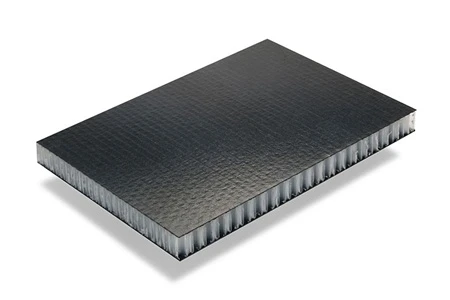
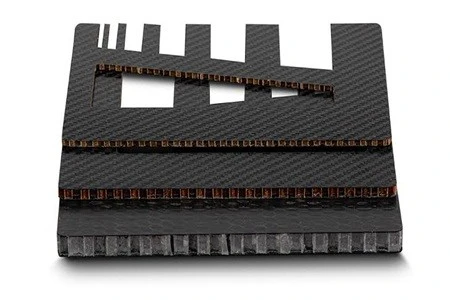
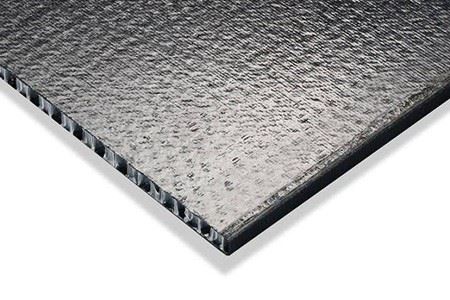
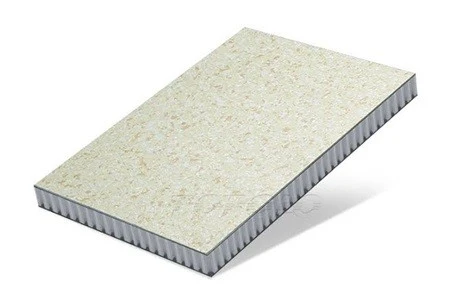
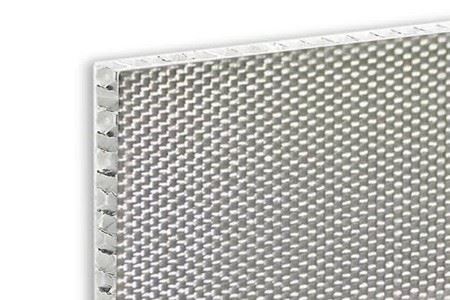
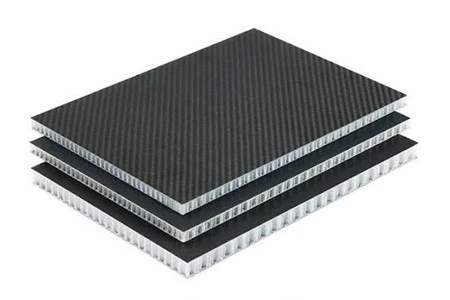
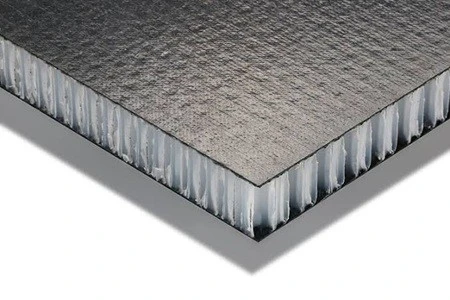
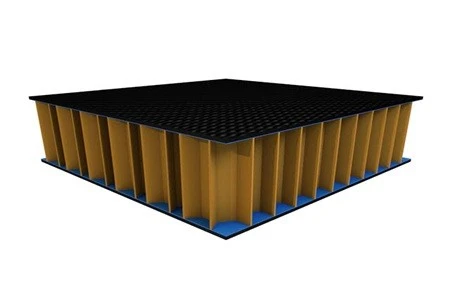
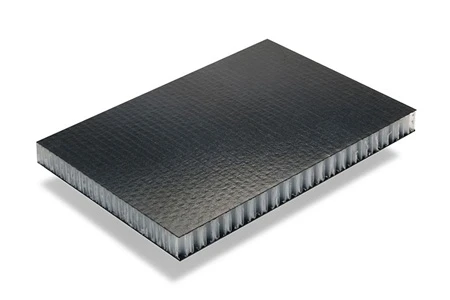
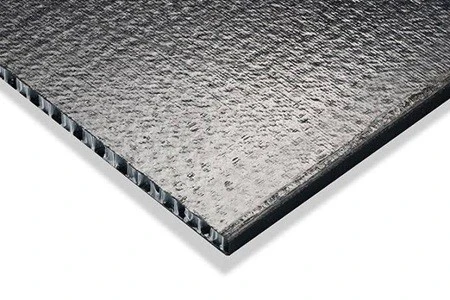
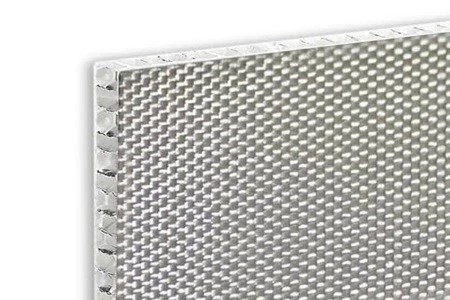
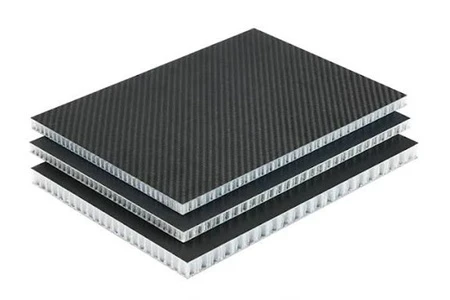
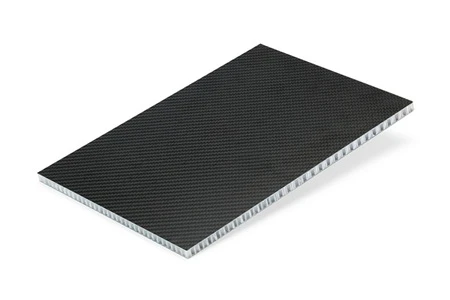
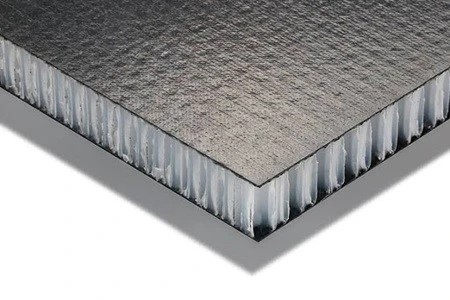
Raysteel Resource supplies Carbon Core Honeycomb Panels for lightweight structural applications where strength, stiffness and impact resistance matter. The honeycomb core offers a favorable strength to weight ratio, helping reduce panel weight without compromising structural efficiency. Depending on the facing material and panel configuration, these panels can be used in transportation, marine, industrial enclosures and composite structures. We can discuss core thickness, cell size, facing options, panel dimensions and bonding requirements according to your project. Contact Raysteel Resource with your specifications and target application for a tailored quotation.
Products Details
Carbon Core Honeycomb Panels - Technical Specifications
|
Parameter |
Specification |
Parameter |
Specification |
|---|---|---|---|
|
Name |
Carbon Core Honeycomb Panels |
Panel Type |
Carbon Fiber Honeycomb Sandwich Panel |
|
Core Material |
Carbon Fiber Honeycomb Core |
Facing Material |
Carbon Fiber Composite |
|
Core Construction |
Carbon Fiber Reinforced Honeycomb |
Resin System |
Epoxy or Cyanate Ester, Depending on Design |
|
Core Cell Size |
9.525 mm (3/8 in), Reference Core Grade |
Core Density |
32.0 kg/m³ (2.0 lb/ft³), Nominal Reference Grade |
|
Core Sheet Length |
Approx. 914 mm (36 in), Reference Size |
Core Sheet Width |
Approx. 610 mm (24 in), Reference Size |
|
Core Thickness |
Specified to Project Requirements |
Overall Panel Thickness |
5–50 mm, Design Range |
|
Facing Thickness |
0.5–2.0 mm per Face, Design Range |
Facing Layup |
Woven or Unidirectional Carbon Fiber |
|
Fiber Grade |
T300 / T700 or Equivalent, Subject to Selection |
Weave Style |
Plain Weave / Twill Weave |
|
Surface Finish |
Glossy / Matte |
Color |
Natural Carbon Fiber Appearance |
|
Core Compressive Strength |
1.34 MPa (195 psi), Reference Core Grade |
Core Shear Strength, L Direction |
1.05 MPa (153 psi), Reference Core Grade |
|
Core Shear Strength, W Direction |
0.56 MPa (81 psi), Reference Core Grade |
Coefficient of Thermal Expansion |
Approximately Zero for the Referenced Core |
|
Panel Length |
Custom Cut to Drawing |
Panel Width |
Custom Cut to Drawing |
|
Dimensional Tolerance |
Core Thickness: ±0.152 mm (±0.006 in), Reference Grade |
Cutting Tolerance |
Confirmed Against Production Drawing |
|
Fabrication |
CNC Cutting / Drilling, Subject to Review |
Edge Treatment |
Sealed or Finished Edges, as Specified |
|
Quality Documentation |
Technical Data Sheet / Available Test Reports |
Inspection |
Dimensions, Surface and Bonding, as Agreed |
|
Application |
Lightweight Structural Components / Precision Equipment |
Packaging |
Protective Export Packaging |
|
Order Quantity |
Quotation Based on Size and Quantity |
Lead Time |
Confirmed with Order Specifications |
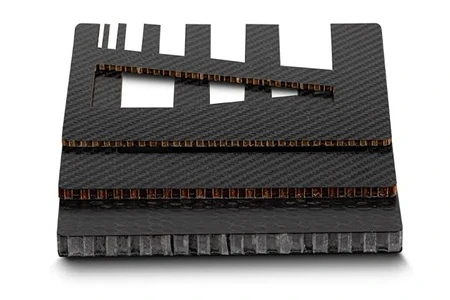
Products Description
Carbon Core Honeycomb Panels
1. What Makes Carbon Core Honeycomb Panels Suitable for Lightweight Structural Applications?
Carbon Core Honeycomb Panels are designed for applications where structural stiffness, weight control and efficient material use are important. Their cellular core separates the outer facings, creating a sandwich structure that can provide useful bending stiffness without relying on a solid, heavy section.
For buyers, the main consideration is how the core and facing materials perform together in the finished panel. Cell size, core thickness, facing type, adhesive system and manufacturing quality all influence the final properties. The right configuration depends on the required load capacity, panel dimensions, operating environment and fabrication method.
Raysteel Resource helps buyers clarify these requirements before sourcing. Rather than selecting a panel by appearance or price alone, customers should evaluate the complete construction against the demands of their project.
2. Which Specifications Should You Confirm Before Purchasing Carbon Core Honeycomb Panels?
A clear specification is the starting point for an accurate quotation. Carbon Core Honeycomb Panels can differ considerably in construction, so buyers should confirm the following details before comparing suppliers.
Core material: Confirm the exact material and grade used in the honeycomb structure.
Cell size: Specify the required cell dimensions and, where relevant, cell orientation.
Core thickness: State the required thickness in millimeters or inches.
Facing material: Identify whether the design requires carbon fiber composite, fiberglass composite, metal or another facing option.
Overall panel dimensions: Provide length, width, total thickness and dimensional tolerances.
Mechanical requirements: Define the required compressive strength, shear strength, bending performance and bonding integrity where applicable.
Processing requirements: Specify cut to size panels, machined edges, holes, inserts or other fabrication details.
Quantity and packaging: Include the estimated order volume, delivery destination and packaging requirements.
Not every configuration is available from every source. Raysteel Resource can review the requested specification and clarify which details need confirmation before a commercial offer is prepared. Final availability, tolerances, test documentation and lead time should be agreed for the specific order.
3. Where Can Carbon Core Honeycomb Panels Be Used?
Carbon Core Honeycomb Panels may be considered for applications where a lightweight sandwich structure can meet the required mechanical and environmental conditions.
Transportation: Interior panels, partitions, equipment covers and selected vehicle components where weight reduction is important.
Marine applications: Interior structures, partitions and other components, subject to moisture exposure, bonding requirements and applicable marine regulations.
Industrial equipment: Machine covers, access panels, enclosures and lightweight structural assemblies.
Composite engineering: Panels and components requiring a balance between stiffness, mass and design flexibility.
Architecture and interiors: Selected decorative panels and partitions where the facing, fire performance and installation system meet project requirements.
Application suitability must be assessed against actual loads, support spacing, impact conditions, temperature, moisture and chemical exposure. A panel intended for an interior enclosure, for example, should not automatically be specified for a load-bearing floor or a marine environment.
When requesting a quotation from Raysteel Resource, buyers can share drawings, intended use and performance requirements so that the proposed construction can be reviewed against the application.
4. Which ASTM Test Methods Can Help Evaluate Carbon Core Honeycomb Panels?
For technical purchasing, a product description alone is not enough. Buyers may need measurable data to compare panel configurations, verify design assumptions and establish acceptance criteria. The following ASTM methods are relevant references for certain honeycomb cores and sandwich constructions, depending on the material and test specimen.
| ASTM standard | Property evaluated | Why buyers may need it |
|---|---|---|
| ASTM C271/C271M | Density of sandwich core materials | Helps compare core density and document the material specification. |
| ASTM C272/C272M | Water absorption of core materials | Relevant when moisture exposure is part of the service conditions. |
| ASTM C273/C273M | Shear properties of sandwich core materials | Provides shear strength and shear modulus data for applicable core constructions. |
| ASTM C297/C297M | Flatwise tensile strength of sandwich constructions | Can help evaluate core strength and the bond between the core and facings. |
| ASTM C365/C365M | Flatwise compressive properties of sandwich cores | Helps assess compressive strength and modulus in the direction normal to the facing plane. |
| ASTM C393/C393M | Core shear properties by beam flexure | Useful for evaluating applicable sandwich constructions under flexural loading. |
The correct method depends on the core material, facing construction and intended use. For example, ASTM C273/C273M addresses core shear properties, while ASTM C297/C297M can assess the core, facing or core-to-facing bond under flatwise tensile loading. These methods are not interchangeable.
ASTM test methods do not, by themselves, mean that a product is ASTM certified. Any claim of compliance should identify the applicable method, tested configuration, test results and supporting documentation. Buyers should request relevant reports for the actual material or panel being offered, rather than assuming that a standard reference proves a particular performance level.
5. How Can Raysteel Resource Help You Source Carbon Core Honeycomb Panels?
Choosing a supplier involves more than finding a low unit price. The quotation should match the requested construction, dimensions, processing requirements, documentation and delivery terms.
Raysteel Resource works with buyers to clarify the product requirements before quotation. To help us review your inquiry, please provide:
Product drawings or a technical specification sheet
Required core material, cell size and core thickness
Facing material and total panel thickness
Panel dimensions and dimensional tolerances
Intended application and required mechanical properties
Estimated quantity and destination country
Required testing documents, inspection arrangements and packaging details
Pricing and lead time depend on the confirmed construction, order quantity, processing requirements and sourcing availability. If a specification is incomplete, confirming the missing details first can help reduce quotation discrepancies and avoid changes later in the procurement process.
Request a Quotation
Looking for Carbon Core Honeycomb Panels for an industrial, transportation or composite engineering project? Send your drawings, target specifications and estimated quantity to Raysteel Resource. We can review the requirements, clarify the key technical details and work toward a quotation based on the requested configuration.

Hot Tags: carbon core honeycomb panels, China carbon core honeycomb panels manufacturers, suppliers, factory