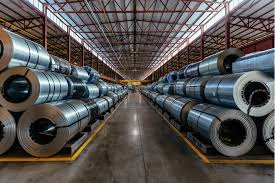
As global construction, infrastructure, renewable energy, and manufacturing industries continue to expand, the demand for durable and cost-effective metal materials has increased significantly. Among the most commonly used materials, galvanized steel and normal steel are frequently compared by engineers, contractors, distributors, and project owners. Understanding the differences between these two materials can help businesses make better purchasing decisions and reduce long-term maintenance costs.
Today, galvanized steel has become one of the most widely used steel products in construction, transportation, agriculture, energy, and industrial manufacturing due to its excellent corrosion resistance and long service life.
What Is Galvanized Steel?
Galvanized steel refers to carbon steel that has been coated with a protective layer of zinc through a hot-dip galvanizing or electro-galvanizing process. This zinc layer acts as a barrier between the steel substrate and environmental elements such as moisture, oxygen, and chemicals.
The primary advantage of galvanized steel is its ability to resist corrosion. Unlike normal steel, galvanized steel can maintain its structural integrity even when exposed to rain, humidity, coastal environments, and industrial pollutants. Because of this, galvanized steel is widely used in roofing systems, steel structures, warehouses, fencing, and utility infrastructure.
As industries increasingly focus on sustainability and lifecycle cost reduction, galvanized steel continues to gain popularity worldwide.
What Is Normal Steel?
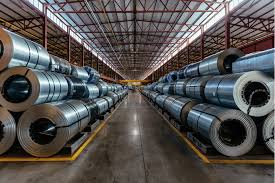
Normal steel, sometimes referred to as black steel or non-galvanized steel, is steel that has not received a protective zinc coating. While normal steel offers high strength and versatility, it is highly susceptible to oxidation when exposed to moisture and air.
Without protection, normal steel can develop rust within a relatively short period, especially in humid or outdoor environments. This means additional painting, coating, and maintenance are often required throughout its service life.

Although normal steel may initially appear less expensive than galvanized steel, maintenance expenses and replacement costs can significantly increase the total ownership cost over time.
Why Does Galvanized Steel Resist Corrosion Better?
The biggest difference between galvanized steel and normal steel lies in corrosion protection. The zinc coating on galvanized steel provides two levels of defense.
First, the zinc layer acts as a physical barrier that prevents water and oxygen from reaching the steel surface. Second, zinc provides sacrificial protection. Even if the coating becomes scratched, the surrounding zinc continues protecting the exposed steel.
Normal steel lacks this protective mechanism. Once the surface coating is damaged, rust can spread rapidly across the material.
For projects exposed to challenging weather conditions, galvanized steel often delivers decades of reliable performance with minimal maintenance requirements.
Is Galvanized Steel More Cost-Effective Than Normal Steel?
Many buyers focus only on the initial purchase price when comparing materials. While galvanized steel may cost slightly more than normal steel upfront, the long-term economics are often far more favorable.
Galvanized steel reduces maintenance costs, lowers repair expenses, minimizes downtime, and extends service life. For industrial facilities, agricultural buildings, solar mounting systems, and transportation infrastructure, galvanized steel can provide significant savings over the lifespan of the project.
When lifecycle costs are considered, galvanized steel is frequently the more economical choice.
Which Material Lasts Longer in Outdoor Environments?
Outdoor durability is one of the strongest selling points of galvanized steel. Depending on coating thickness and environmental conditions, galvanized steel can remain protected for 20 to 50 years or even longer.
Normal steel exposed to rain, snow, humidity, or coastal air may require frequent repainting and corrosion treatment. In many cases, rust formation begins within months if adequate protection is not maintained.
Because galvanized steel offers long-term weather resistance, it has become the preferred material for infrastructure and outdoor construction projects worldwide.
Can Galvanized Steel Improve Sustainability?
Environmental sustainability has become a major consideration across global industries. Galvanized steel supports sustainability goals by extending product lifespan and reducing resource consumption.
Since galvanized steel lasts significantly longer than normal steel, fewer replacements are required throughout a structure's service life. This reduces raw material demand, transportation emissions, and waste generation.
Additionally, galvanized steel is fully recyclable, making it an environmentally responsible choice for modern construction and manufacturing projects.
Where Is Galvanized Steel Commonly Used?
Today, galvanized steel can be found in nearly every major industry. In construction, galvanized steel is widely used for roofing sheets, wall cladding, steel framing, guardrails, and structural supports.
In agriculture, galvanized steel is commonly used for livestock facilities, grain silos, fencing systems, and greenhouse structures.
In the energy sector, galvanized steel plays a critical role in solar mounting systems, transmission towers, and power infrastructure.
Manufacturing companies also rely on galvanized steel for ductwork, storage systems, equipment enclosures, and transportation components.
The versatility of galvanized steel makes it one of the most valuable materials in the global steel market.
Which Material Should Buyers Choose in 2026?
As construction standards become stricter and asset owners seek longer service life, galvanized steel continues to outperform normal steel in many applications.
For indoor projects with minimal exposure to moisture, normal steel may still be suitable. However, for outdoor structures, industrial facilities, infrastructure projects, and long-term investments, galvanized steel provides superior protection, durability, and value.
Industry analysts expect global demand for galvanized steel to continue rising in 2026 as governments increase infrastructure spending, renewable energy investments expand, and manufacturers focus on reducing maintenance costs.
Is Galvanized Steel the Future of Corrosion-Resistant Construction?
The evidence strongly suggests that galvanized steel will remain one of the most important materials in modern engineering and construction. Its combination of corrosion resistance, long service life, cost efficiency, recyclability, and structural reliability makes galvanized steel an ideal solution for a wide range of industries.
As businesses increasingly prioritize durability and sustainability, galvanized steel is expected to play an even greater role in future construction, transportation, energy, and manufacturing projects around the world.