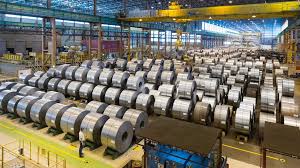
As the summer heat gradually sets in, China's electricity demand continues to rise, and energy supply issues have once again become the focus of market attention. On June 18, the National Development and Reform Commission (NDRC) revealed at a press conference that as of June 16, coal reserves at nationally centrally-dispatched power plants had reached 210 million metric tons, with an average supply duration of 34 days, providing a solid guarantee for the safe and stable supply of energy during the peak summer season. This news is not only of great significance to the energy sector but also sends a positive signal to the steel manufacturing, construction, and international steel trade markets.
According to Li Chao, spokesperson for the NDRC, on May 26 of this year, the NDRC organized a nationwide video conference on energy supply security for the summer peak demand period, during which comprehensive arrangements were made regarding coal production safety, transportation guarantees, and supply coordination. Currently, national coal inventories remain at high levels, and energy supply is generally stable, providing strong support for industrial production and the development of the manufacturing sector.

For the steel industry, coal has always been a vital basic energy source and production resource. Whether it is the consumption of coking coal in the ironmaking process or the substantial electricity supply required during steel production, both are closely tied to coal resources. Coal inventories at nationally centrally-dispatched power plants have reached 210 million metric tons, indicating that the capacity to ensure industrial electricity supply will be further strengthened in the coming period. This will help steel enterprises maintain a stable production pace and reduce the risk of cost fluctuations caused by energy shortages.
Industry experts believe that a stable energy supply will help promote the healthy operation of the steel industry chain. In recent years, with the continuous growth of global infrastructure construction, investment in new energy projects, and demand for industrial manufacturing, the international market's demand for hot-dip galvanized steel sheets, galvanized steel coils, pre-painted steel coils (PPGI), and steel structure products has continued to rise. High-quality steel products are playing an increasingly important role, particularly in the fields of photovoltaic mounting systems, industrial plants, warehouse construction, power facilities, and transportation.
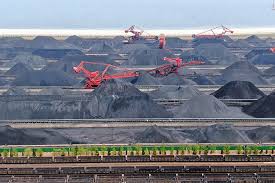
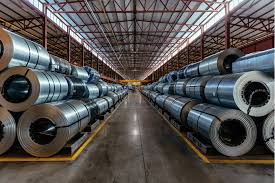
At the same time, ample coal inventories help stabilize steel production costs. Energy costs are a significant component of steel companies' operations; when coal supplies are sufficient and electricity supply is stable, companies can better control production costs, improve order fulfillment efficiency, and enhance their competitiveness in international markets. For overseas buyers, a stable energy supply environment translates to more reliable production cycles, more consistent product quality, and more predictable delivery times.
It is worth noting that the National Development and Reform Commission (NDRC) has also stated that, moving forward, it will continue to strengthen the transportation of thermal coal, promote the efficient fulfillment of medium- and long-term contracts for thermal coal supply, and fully leverage coal's foundational role in ensuring energy security. At the same time, relevant departments will continue to prioritize workplace safety to ensure a safe and stable supply of energy and electricity during the peak summer demand period.
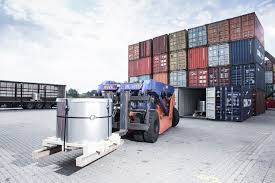
From an international market perspective, as one of the world's largest steel producers, China's energy security capabilities directly impact the stability of the global steel supply chain. Currently, coal inventories at power plants nationwide remain at high levels, which not only demonstrates the resilience of China's energy supply system but also provides a more stable development environment for steel exporters.
With the global economic recovery, the acceleration of infrastructure development in emerging markets, and the ongoing advancement of green energy projects, demand in international markets for galvanized steel, construction steel, and industrial steel products continues to grow. Against the backdrop of stable energy supplies and coordinated development across the industrial chain, Chinese steel enterprises are expected to further enhance their competitiveness in the global market and provide overseas customers with more reliable and efficient steel supply services.
In the coming months, as the summer peak electricity demand period approaches, energy security and steel production conditions will continue to attract widespread market attention. The current 210 million metric tons of coal reserves at power plants undoubtedly serves as a "shot in the arm" for China's industrial production and the stable operation of the steel industry, while also instilling greater confidence in global steel buyers.