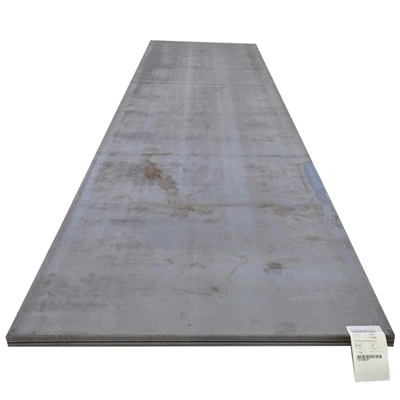
When it comes to hot rolled sheets, one of the most common questions I, as a hot rolled sheet supplier, often encounter is about the differences between hot rolled sheets from different manufacturers. In this blog post, I'll delve into the various aspects that set these products apart.
Material Quality
The quality of the raw materials used is a fundamental factor. Different manufacturers may source their steel from various suppliers. Some opt for high - grade iron ore, which results in a purer form of steel. For example, a manufacturer that uses iron ore with a high iron content and low impurities will produce hot rolled sheets with better mechanical properties. These sheets are likely to have higher strength, better ductility, and greater resistance to corrosion.
On the other hand, manufacturers who source lower - grade materials may end up with sheets that are more prone to defects such as cracks, porosity, or uneven grain structure. These quality differences can significantly impact the performance of the hot rolled sheets in different applications. For instance, in construction projects, high - quality hot rolled sheets can withstand greater stress and load, ensuring the structural integrity of the building.
Manufacturing Processes
The manufacturing process is another critical area where differences can occur. Each manufacturer has its own set of procedures and technologies for hot rolling. Some manufacturers use state - of - the - art rolling mills that can precisely control the temperature, pressure, and speed during the rolling process. This precise control allows for better - defined dimensions and a more uniform grain structure in the hot rolled sheets.
In contrast, some older or less - equipped manufacturers may have less control over these variables. As a result, their hot rolled sheets may have inconsistent thickness, width, or surface finish. For example, a well - controlled rolling process can produce sheets with a smooth surface, which is essential for applications where appearance matters, such as in automotive body panels.
Product Specifications
Hot rolled sheets from different manufacturers can also vary in terms of their specifications. These include thickness, width, length, and edge conditions. Some manufacturers may offer a wider range of thickness options, allowing customers to choose the most suitable sheet for their specific needs. For example, in the manufacturing of heavy machinery, thicker hot rolled sheets are often required to withstand high - stress applications.
The width and length of the sheets can also differ. Some manufacturers may produce standard - sized sheets, while others can offer custom - sized sheets to meet the unique requirements of their customers. Additionally, the edge conditions of the sheets, such as whether they are trimmed or untrimmed, can vary. Trimmed edges provide a cleaner and more precise fit, which is important in applications where accurate dimensions are crucial.
Surface Finish
The surface finish of hot rolled sheets is another aspect that varies among manufacturers. A good surface finish is not only important for aesthetic reasons but also for functional purposes. Some manufacturers use advanced descaling techniques to remove the oxide layer on the surface of the hot rolled sheets, resulting in a smooth and clean surface.
Others may have less effective descaling methods, leaving behind a rough or uneven surface. A rough surface can cause problems in applications where the sheet needs to be painted or coated, as it may prevent proper adhesion of the paint or coating. For example, in the manufacturing of furniture, a smooth surface finish is essential for a high - quality appearance.


Cost
Cost is a significant factor that often influences customers' decisions. Different manufacturers have different cost structures, which can lead to variations in the price of hot rolled sheets. Factors such as the cost of raw materials, energy consumption during the manufacturing process, labor costs, and overhead expenses all contribute to the final price.
Some manufacturers may be able to offer more competitive prices due to economies of scale, efficient production processes, or access to cheaper raw materials. However, it's important to note that a lower price doesn't always mean lower quality. Customers need to carefully evaluate the quality and performance of the hot rolled sheets in relation to the price.
Quality Control
Quality control measures also differ among manufacturers. Reputable manufacturers have strict quality control systems in place to ensure that their hot rolled sheets meet the required standards. They conduct various tests, such as chemical analysis, mechanical testing, and surface inspection, at different stages of the manufacturing process.
These tests help to identify any potential defects or non - conformities and allow for corrective actions to be taken. In contrast, some manufacturers may have less rigorous quality control procedures, which can result in a higher likelihood of defective products reaching the market.
Availability and Delivery
The availability of hot rolled sheets and the delivery time can also vary between manufacturers. Some manufacturers have a large inventory of hot rolled sheets, which means they can quickly fulfill orders. They also have efficient logistics systems in place to ensure timely delivery.
Other manufacturers may have longer lead times due to production capacity limitations or supply chain issues. For customers who need hot rolled sheets urgently, the availability and delivery time can be a crucial factor in choosing a manufacturer.
Applications
The differences between hot rolled sheets from different manufacturers can also impact their suitability for different applications. For example, Steel Checker Plate Hot Rolled is often used in industrial flooring and walkways due to its anti - slip properties. High - quality sheets from a reliable manufacturer will provide better durability and safety in these applications.
Hot Rolled Steel Near Me can be used in a wide range of applications, from construction to manufacturing. The choice of manufacturer can affect the performance of the steel in these applications. For instance, a manufacturer that produces hot rolled steel with high strength and good weldability will be more suitable for structural applications.
Hot Rolled Mild Steel Plate is commonly used in the automotive, shipbuilding, and machinery industries. The quality of the plate from different manufacturers can impact the overall quality and performance of the end - products.
In conclusion, there are numerous differences between hot rolled sheets from different manufacturers. These differences can affect the quality, performance, cost, and suitability of the sheets for various applications. As a hot rolled sheet supplier, I understand the importance of providing high - quality products to my customers. I am committed to ensuring that our hot rolled sheets meet the highest standards and can be tailored to the specific needs of our clients.
If you are in the market for hot rolled sheets and are interested in learning more about our products, I encourage you to contact us for a detailed discussion. We can provide you with samples, specifications, and pricing information to help you make an informed decision.
References
- "Steelmaking and Refining Processes" by Joseph F. Wallace
- "The Handbook of Hot Rolling" by J. M. Alexander