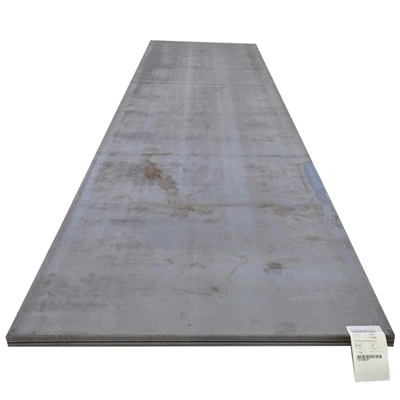
Hot rolled carbon steel sheet is a widely used material in various industries due to its excellent mechanical properties and relatively low cost. As a supplier of hot rolled carbon steel sheet, I have encountered numerous issues related to the quality of these products. In this blog, I will discuss the common defects found in hot rolled carbon steel sheet, their causes, and potential solutions.
Surface Defects
Scale
Scale is one of the most common surface defects in hot rolled carbon steel sheet. It is formed when the steel is heated during the rolling process and reacts with oxygen in the air, creating a layer of iron oxide on the surface. Scale can affect the appearance of the steel and may also cause problems during subsequent processing, such as painting or coating.
The main cause of scale formation is the high temperature during the hot rolling process. To reduce scale formation, the steel can be rolled at a lower temperature or treated with a scale inhibitor. Additionally, descaling methods such as pickling or shot blasting can be used to remove the scale after rolling.
Scratches
Scratches on the surface of hot rolled carbon steel sheet can occur during handling, transportation, or the rolling process itself. These scratches can not only affect the aesthetic appearance of the steel but also reduce its corrosion resistance.
Scratches are often caused by improper handling equipment or rough surfaces in contact with the steel. To prevent scratches, it is important to use appropriate handling equipment and ensure that the surfaces in contact with the steel are smooth. Additionally, protective coatings can be applied to the steel to reduce the risk of scratches.
Pitting
Pitting is a form of localized corrosion that can occur on the surface of hot rolled carbon steel sheet. It appears as small, deep holes or pits in the steel surface. Pitting can be caused by the presence of impurities in the steel, such as sulfur or phosphorus, or by exposure to corrosive environments.
To prevent pitting, it is important to control the chemical composition of the steel and ensure that it meets the required standards. Additionally, protective coatings can be applied to the steel to prevent corrosion.
Internal Defects
Porosity
Porosity refers to the presence of small holes or voids in the steel. It can occur during the casting or rolling process and can affect the mechanical properties of the steel. Porosity can be caused by factors such as improper casting techniques, gas entrapment, or the presence of impurities in the steel.
To reduce porosity, it is important to use proper casting techniques and ensure that the steel is free of impurities. Additionally, heat treatment can be used to improve the density of the steel and reduce porosity.
Inclusions
Inclusions are non-metallic particles that are present in the steel. They can be formed during the melting and casting process and can affect the mechanical properties of the steel. Inclusions can be classified into different types, such as sulfides, oxides, and silicates.
To reduce the presence of inclusions, it is important to use high-quality raw materials and proper melting and casting techniques. Additionally, refining processes can be used to remove inclusions from the steel.
Segregation
Segregation refers to the non-uniform distribution of chemical elements in the steel. It can occur during the solidification process and can affect the mechanical properties of the steel. Segregation can be caused by factors such as improper cooling rates or the presence of impurities in the steel.
To reduce segregation, it is important to use proper cooling rates during the solidification process and ensure that the steel is free of impurities. Additionally, heat treatment can be used to homogenize the chemical composition of the steel.
Shape Defects
Waviness
Waviness is a form of shape defect that can occur in hot rolled carbon steel sheet. It appears as a series of waves or undulations on the surface of the steel. Waviness can be caused by factors such as uneven rolling pressure, improper roller alignment, or the presence of residual stresses in the steel.
To reduce waviness, it is important to ensure that the rolling process is carried out under uniform conditions and that the rollers are properly aligned. Additionally, heat treatment can be used to relieve residual stresses in the steel.
Camber
Camber refers to the curvature of the steel sheet in the longitudinal direction. It can be caused by factors such as uneven rolling pressure, improper roller alignment, or the presence of residual stresses in the steel.


To reduce camber, it is important to ensure that the rolling process is carried out under uniform conditions and that the rollers are properly aligned. Additionally, heat treatment can be used to relieve residual stresses in the steel.
Solutions and Prevention
To minimize the occurrence of these defects, it is essential to implement a comprehensive quality control system throughout the production process. This includes strict control of raw materials, proper processing techniques, and regular inspections.
- Raw Material Control: Ensure that the raw materials used in the production of hot rolled carbon steel sheet meet the required standards. This includes checking the chemical composition, purity, and physical properties of the steel.
- Processing Techniques: Use proper rolling techniques to ensure uniform thickness and shape of the steel sheet. This includes controlling the rolling temperature, pressure, and speed.
- Inspection and Testing: Regularly inspect the steel sheet for defects using non-destructive testing methods such as ultrasonic testing, magnetic particle testing, and eddy current testing. This will help to identify and remove any defective products before they are shipped to customers.
As a supplier of Hot Rolled Carbon Steel Sheet, we are committed to providing high-quality products that meet the needs of our customers. We have a team of experienced professionals who are dedicated to ensuring the quality of our products. If you are interested in purchasing hot rolled carbon steel sheet, such as Hot Rolled Chequered Plate or A36 Hot Rolled Steel Plate, please feel free to contact us for more information and to discuss your specific requirements. We look forward to working with you.
References
- ASM Handbook, Volume 11: Failure Analysis and Prevention.
- Steelmaking and Refining Handbook: Theory and Practice.
- Handbook of Stainless Steels.