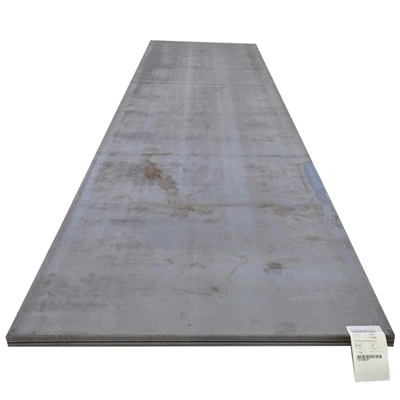
When it comes to choosing the right type of steel for various applications, durability is a crucial factor. As a hot rolled steel supplier, I often get asked about how hot rolled steel compares to stainless steel in terms of durability. In this blog post, I'll delve into the characteristics of both types of steel, explore their durability aspects, and help you understand which one might be the better choice for your specific needs.
Understanding Hot Rolled Steel
Hot rolled steel is a type of steel that is formed by heating the steel above its recrystallization temperature and then rolling it into the desired shape. This process makes the steel more malleable and allows it to be shaped into various forms, such as sheets, bars, and beams. One of the key advantages of hot rolled steel is its cost - effectiveness. It is generally less expensive than stainless steel, making it a popular choice for large - scale construction projects and industrial applications.
Hot rolled steel has a rough surface finish due to the cooling process after rolling. This surface can be further treated or painted for better protection against corrosion. Hot Rolled Sheet is a common product in the hot rolled steel category, which is widely used in manufacturing, construction, and automotive industries. Another example is Steel Checker Plate Hot Rolled, which is often used for flooring and walkways because of its anti - slip properties.
Understanding Stainless Steel
Stainless steel is an alloy of iron, chromium, and other elements. The addition of chromium gives stainless steel its corrosion - resistant properties. Chromium forms a thin, invisible layer of chromium oxide on the surface of the steel, which protects it from rust and corrosion. Stainless steel comes in different grades, each with its own set of properties and applications.
Stainless steel is known for its high strength, aesthetic appeal, and excellent resistance to corrosion. It is often used in applications where hygiene and appearance are important, such as in the food and beverage industry, medical equipment, and architectural applications. Prime Hot Rolled Steel Sheet is a high - quality product that combines the benefits of hot rolling with the durability of stainless steel.
Durability Comparison
Corrosion Resistance
One of the most significant differences between hot rolled steel and stainless steel is their corrosion resistance. Stainless steel has a much higher resistance to corrosion compared to hot rolled steel. The chromium in stainless steel forms a passive layer that prevents oxygen and moisture from reaching the underlying metal, thus protecting it from rust and corrosion.
Hot rolled steel, on the other hand, is more susceptible to corrosion. When exposed to moisture and oxygen, it can develop rust relatively quickly. However, the corrosion resistance of hot rolled steel can be improved through various methods, such as painting, galvanizing, or applying a protective coating. In environments where corrosion is a major concern, such as in coastal areas or industrial settings with high humidity, stainless steel is the clear choice.


Strength and Structural Integrity
Both hot rolled steel and stainless steel offer high strength and good structural integrity. Hot rolled steel is known for its excellent strength - to - weight ratio, which makes it suitable for structural applications. It can withstand heavy loads and stresses, making it a popular choice for building frames, bridges, and industrial machinery.
Stainless steel also has high strength, but its strength can vary depending on the grade. Some grades of stainless steel are specifically designed for high - strength applications, such as in aerospace and automotive industries. In general, for applications where high strength is required and corrosion is not a major issue, hot rolled steel can be a cost - effective option.
Wear Resistance
In terms of wear resistance, both hot rolled steel and stainless steel have their own advantages. Hot rolled steel can be heat - treated to increase its hardness and wear resistance. This makes it suitable for applications where there is a lot of friction and abrasion, such as in mining equipment and conveyor systems.
Stainless steel also has good wear resistance, especially in applications where it is exposed to corrosive environments. The smooth surface of stainless steel reduces friction, which helps to minimize wear. However, in some cases, the wear resistance of stainless steel can be further enhanced through surface treatments.
Long - term Durability
When considering long - term durability, stainless steel has an edge over hot rolled steel. Due to its superior corrosion resistance, stainless steel can maintain its integrity and appearance over a longer period of time, even in harsh environments. Hot rolled steel, while it can be protected against corrosion, may require more maintenance and upkeep to ensure its long - term durability.
Applications and Suitability
The choice between hot rolled steel and stainless steel depends on the specific application. For construction projects where cost is a major factor and corrosion is not a significant concern, hot rolled steel is often the preferred choice. It can be used for building frames, beams, and columns, as well as for manufacturing heavy machinery and equipment.
On the other hand, stainless steel is ideal for applications where corrosion resistance, hygiene, and aesthetic appeal are important. It is commonly used in the food and beverage industry, medical facilities, and architectural projects. For example, stainless steel is used for kitchen appliances, surgical instruments, and exterior cladding of buildings.
Conclusion
In conclusion, both hot rolled steel and stainless steel have their own unique properties and advantages when it comes to durability. Hot rolled steel is cost - effective, strong, and suitable for a wide range of applications, but it requires proper protection against corrosion. Stainless steel, on the other hand, offers excellent corrosion resistance, high strength, and a long - lasting appearance, but it is generally more expensive.
As a hot rolled steel supplier, I can provide high - quality hot rolled steel products that are suitable for various applications. If you are looking for a cost - effective and durable solution for your project, hot rolled steel might be the right choice for you. If you have any questions or need further information about our products, please feel free to reach out to us for a detailed discussion and potential procurement.
References
- ASM Handbook, Volume 1: Properties and Selection: Irons, Steels, and High - Performance Alloys. ASM International.
- "Steel: Processing, Structure, and Performance" by George Krauss.